From soil to shipment.
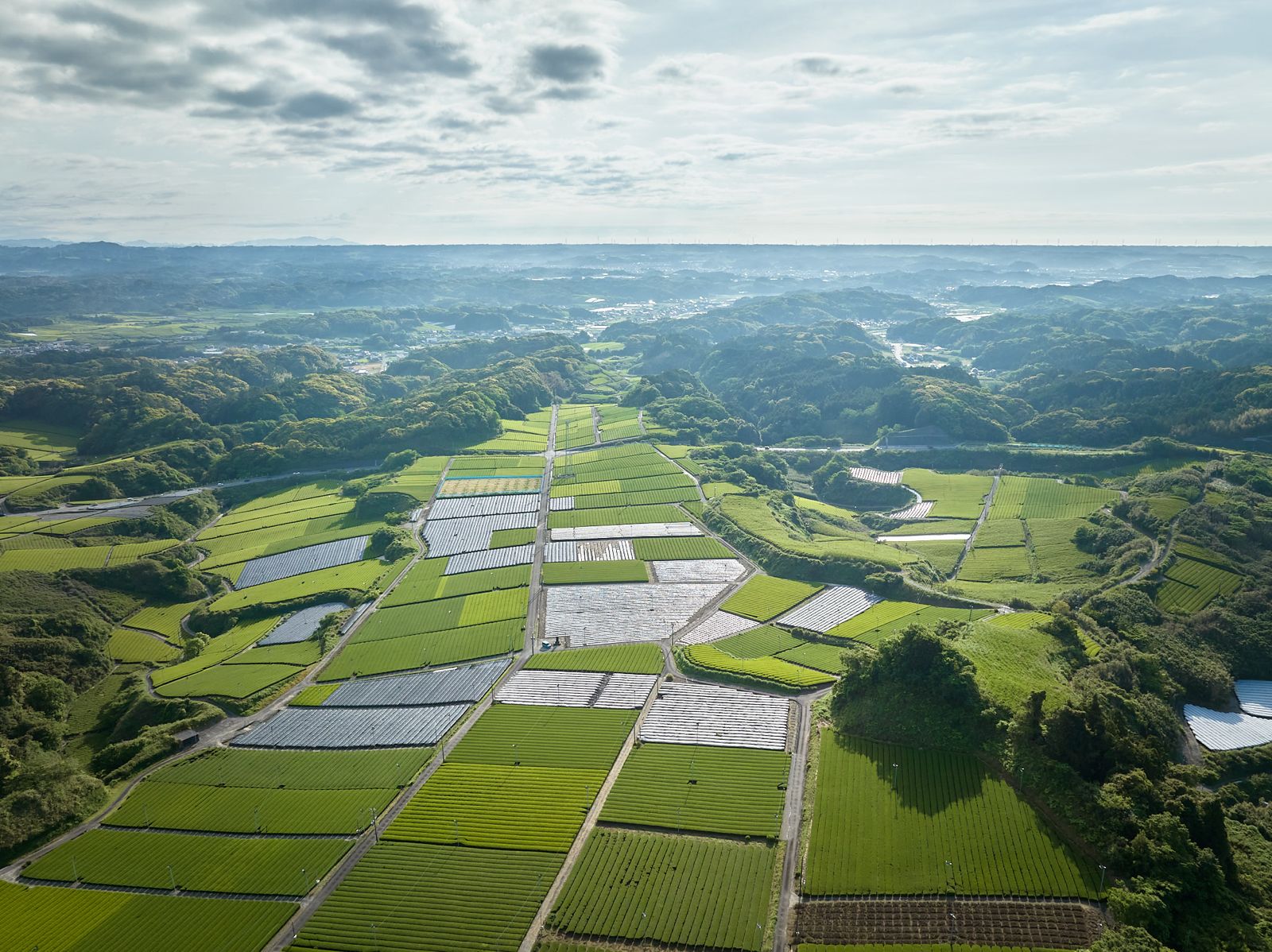
Sasaki Seicha's tea-making begins not at the factory, but in the field. Across 110 hectares of tea gardens within a 15-minute drive of the factory, 30 veteran farms grow the leaf — and the same day it is harvested, it is processed into aracha and carried to the final finishing plant. These are the eight stages that carry a leaf from the soil of Kakegawa to a cup poured anywhere in the world.
Managed tea gardens
Cooperative farms
In-house aracha
Figures are for fiscal 2026.
Eight stages, soil to shipment.
From the soil of Kakegawa to a cup poured anywhere — one leaf, carried through eight stages by people who have spent a lifetime reading it.
 01
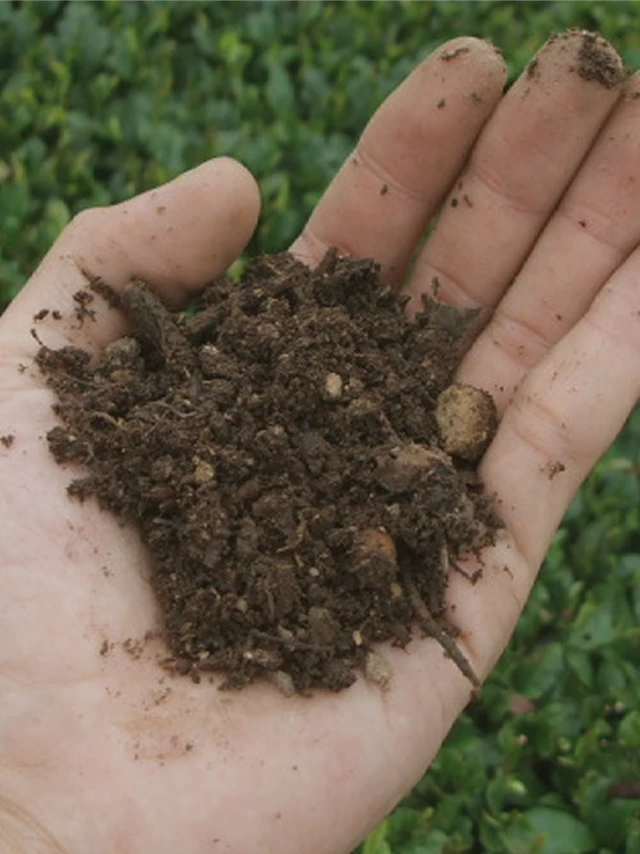
01Soil Preparation
Compost from our own waste builds nutrient-rich fields.
 02
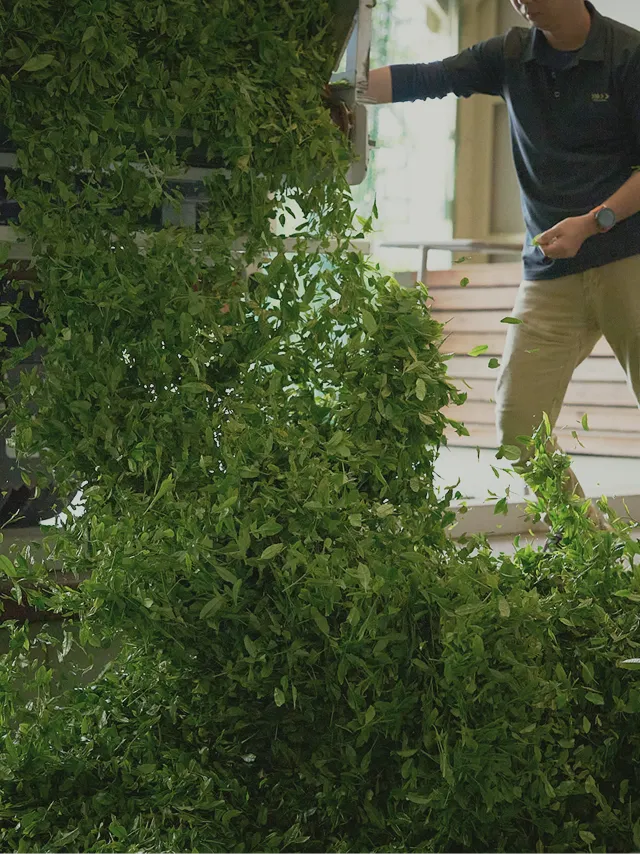
02Harvesting
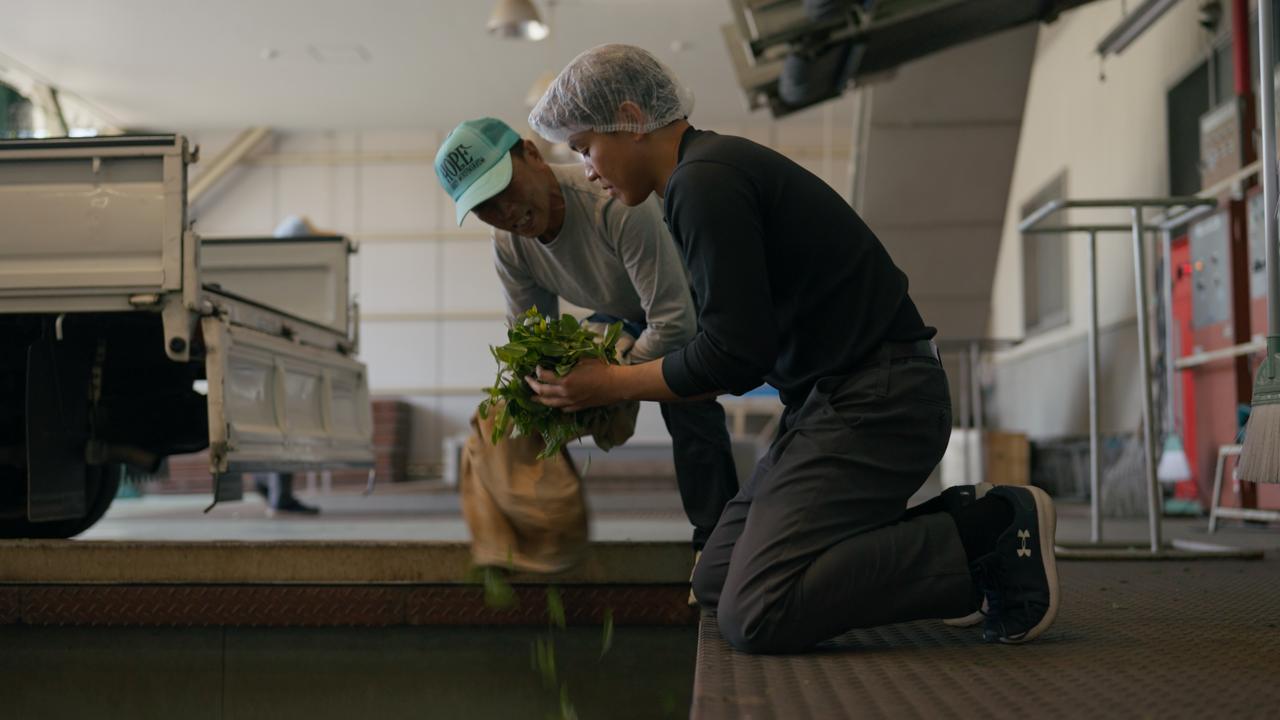
Picked and rushed to the steamer the same day.
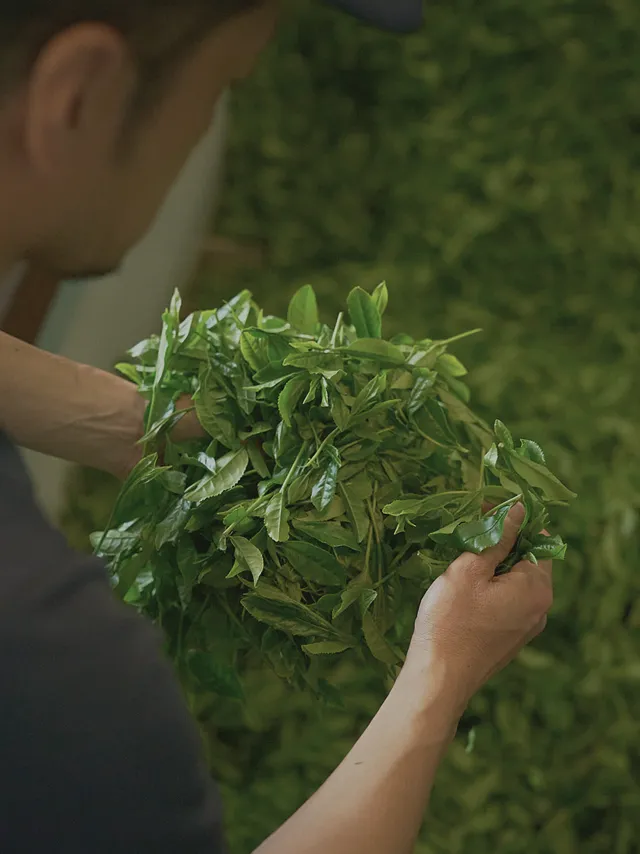 03
03Inspection
Every lot checked at the factory gate.
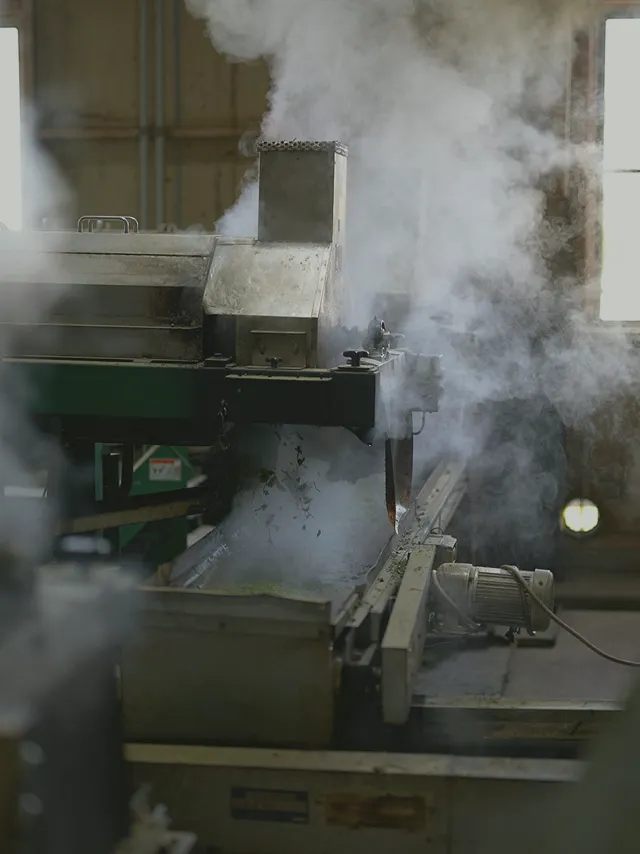 04
04Steaming
The defining step — judged by veteran hands.
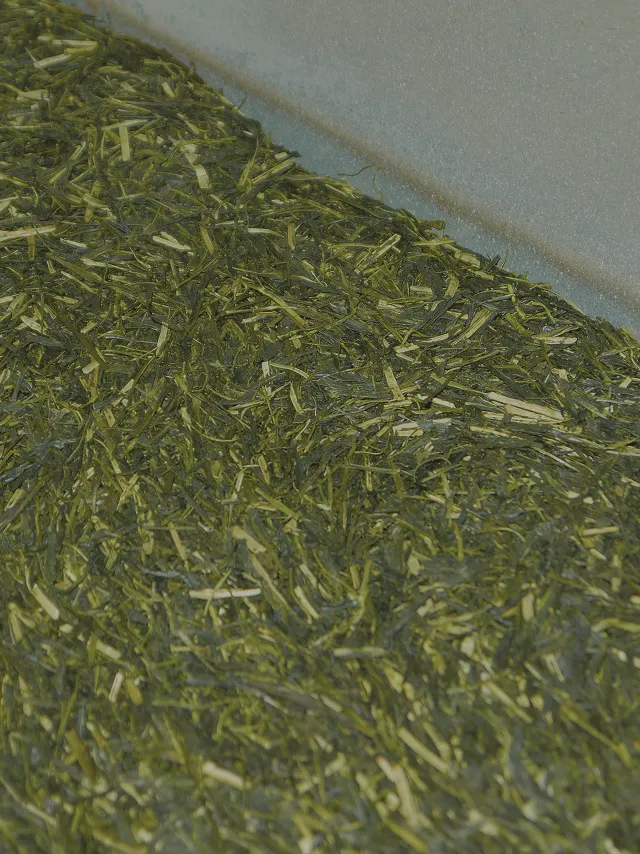 05
05Primary Processing
Rolled and dried into aracha crude tea.
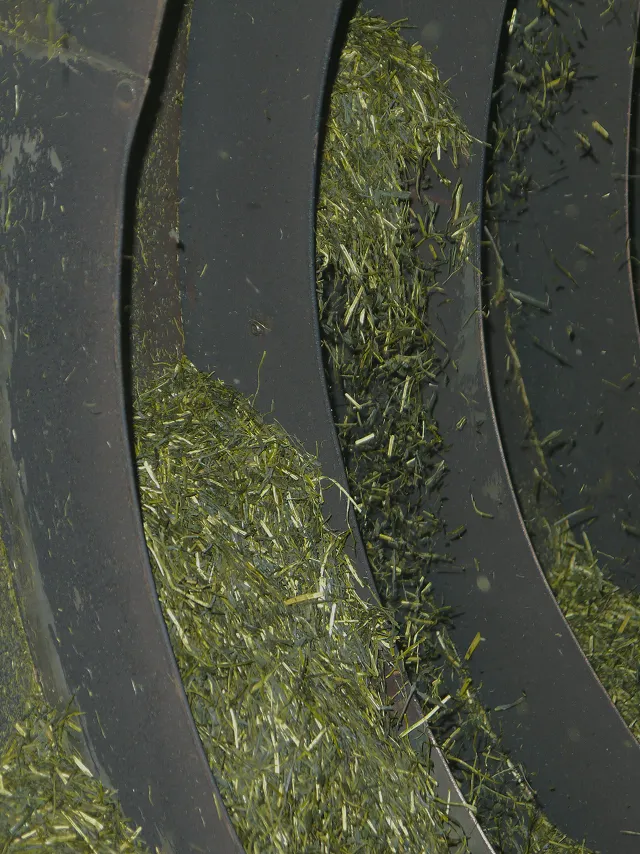 06
06Roasting
Fire, microwave, or far-infrared — to taste.
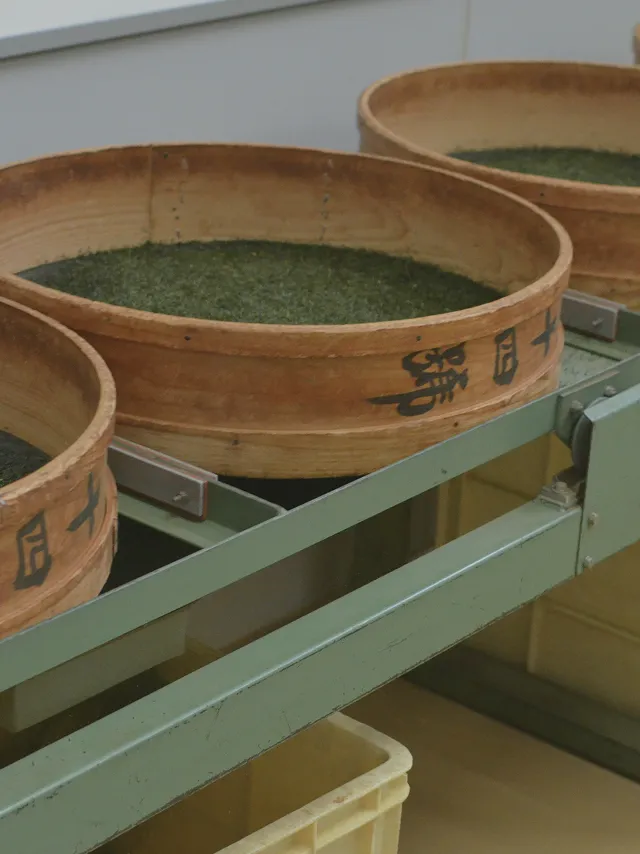 07
07Finishing
Sifted, blended, balanced to harmony.
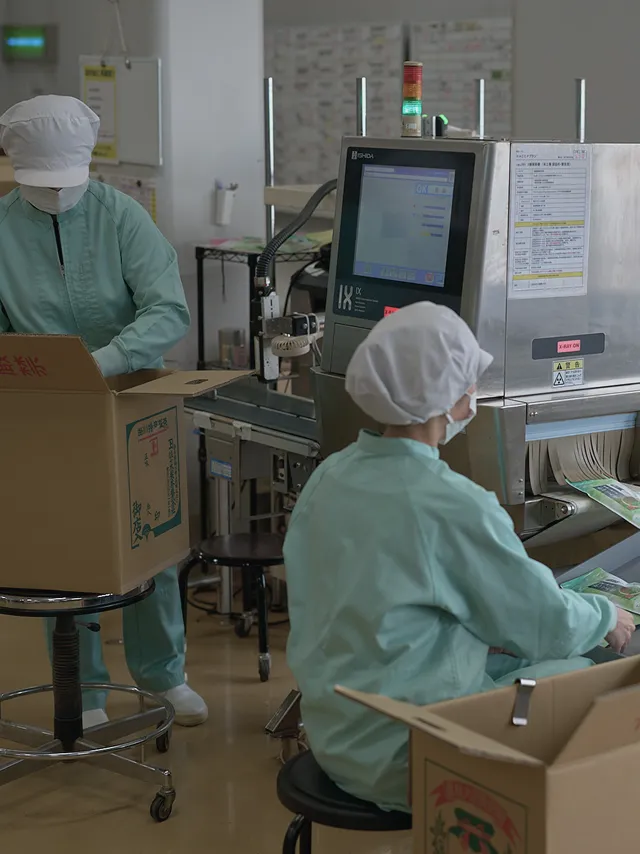 08
08Shipping
Inspected, packed, and delivered worldwide.
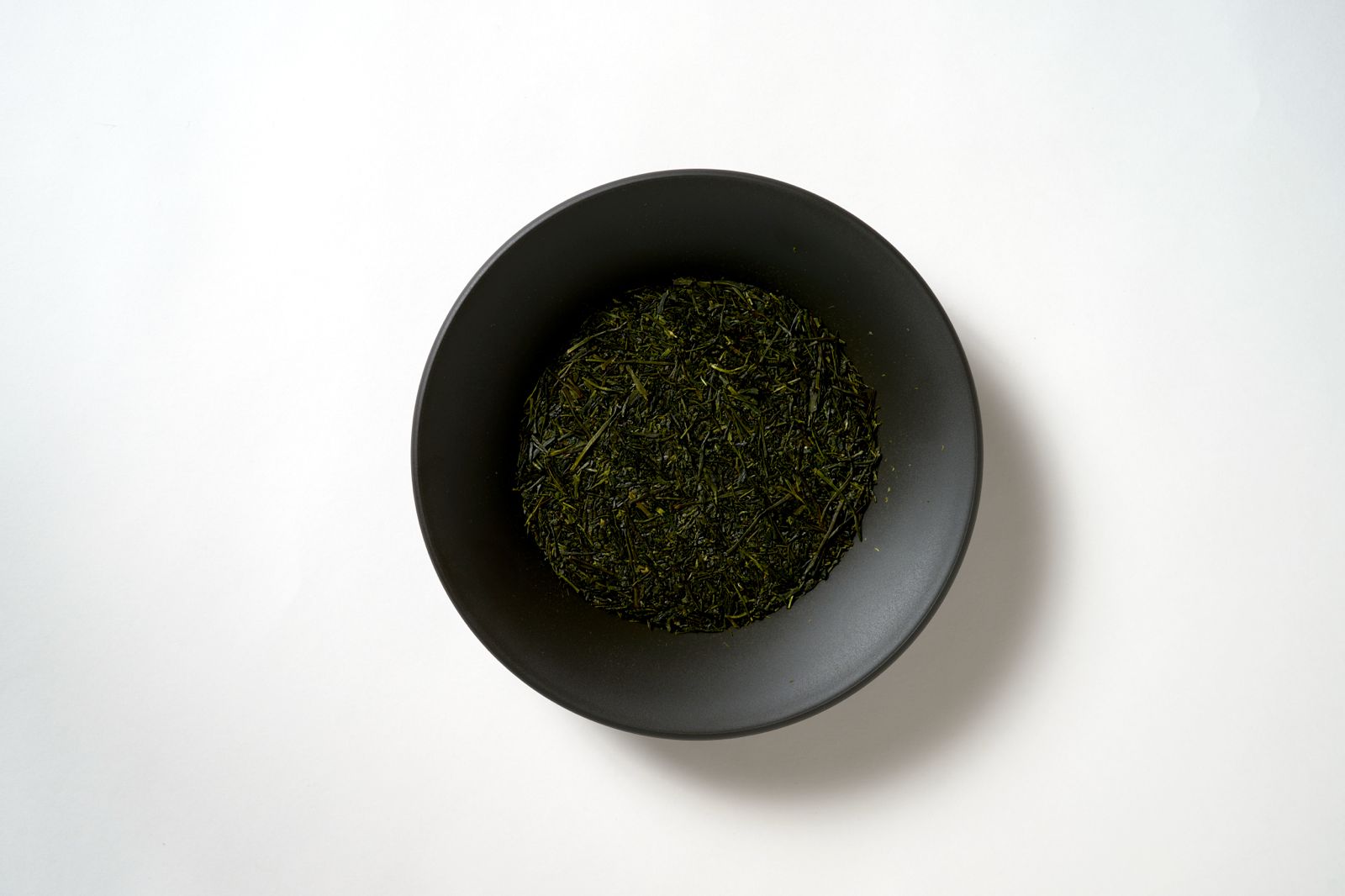
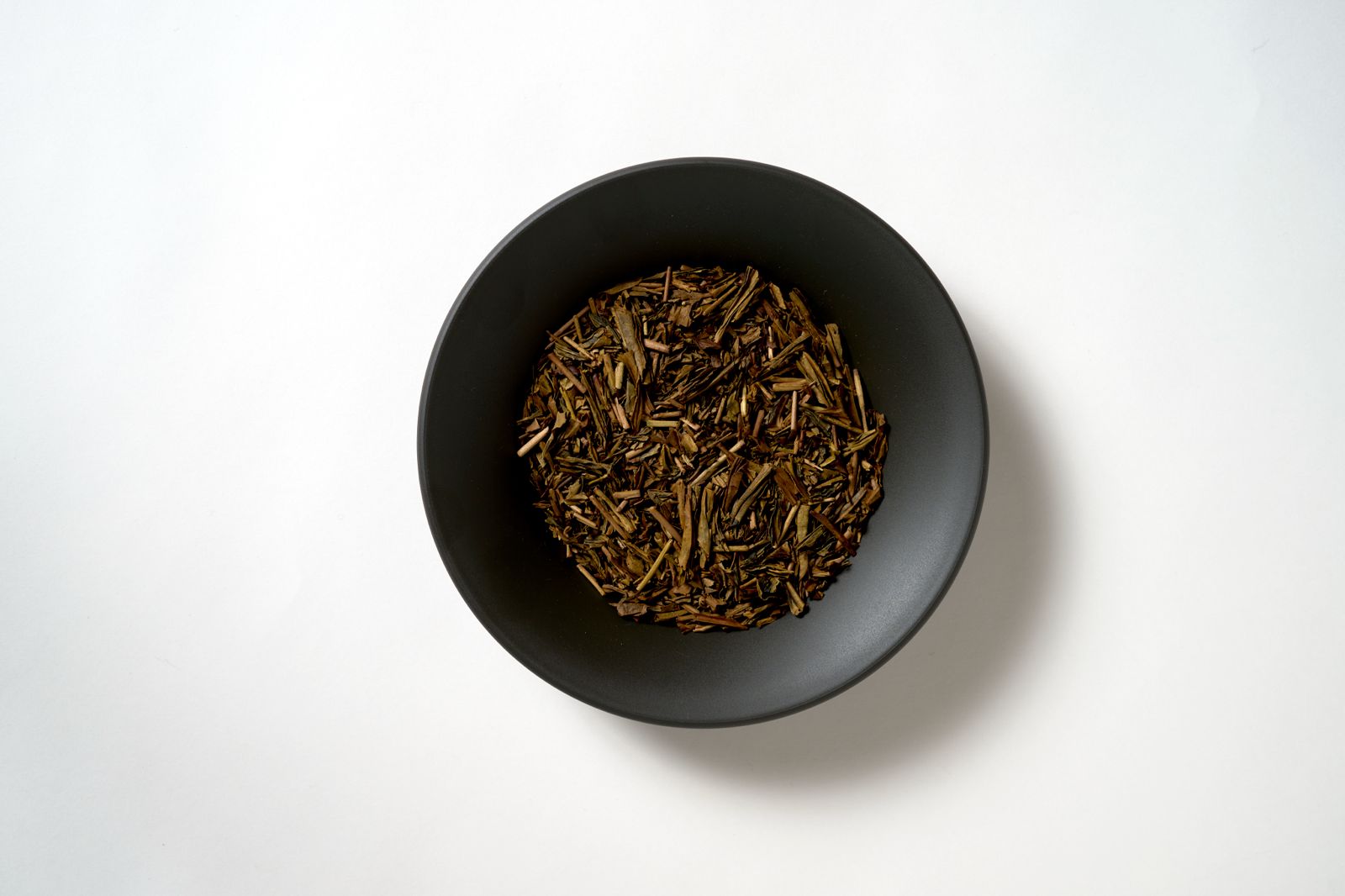
The same fields, finished three ways.
From a single harvest of Kakegawa leaf, our process yields the deep green of ceremonial matcha, the mellow umami of fukamushi sencha, and the warm roast of hojicha — three expressions of one origin.
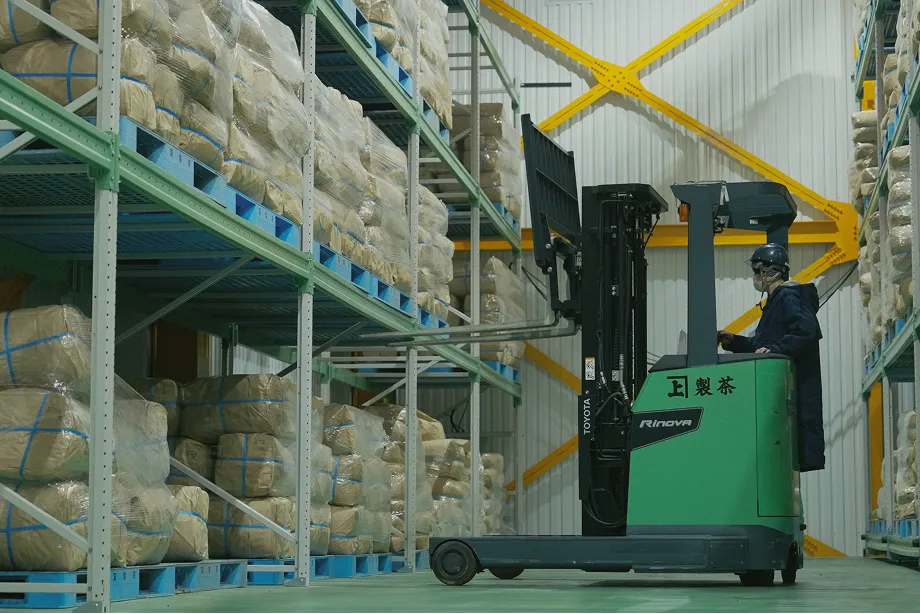
Freshness held in reserve, all year round.
Tea is harvested four times a year, but orders arrive year-round. To keep our tea fresh through every season, we store it at carefully controlled temperature and humidity — preserving the quality of the harvest moment so we can ship consistent, high-grade leaves whenever you need them.
Every stage above is held to the same food-safety standards. Our certifications and traceability systems are verified by third-party audits, multiple times a year.
See Quality & Safety →